
“From the moment I could talk I was ordered to listen…” This song by Cat Stevens illustrates which parts of us are activated when learning
to speak another language. Recent research shows that when we learn our mother tongue not only the language centres in the left brain are active, but that learning to speak is also connected with areas of our right brain, which mirror the Broca and Wernicke language areas and cover the understanding and expression of emotions.
Our language creates our communication in many ways. A similar process start when we’re meeting people from different cultures and different languages. We not only learn new words, but we also learn new emotions, emotions that may have been repressed or inhibited when we were young. If we don’t pick up that part of the language, we’ll always speak the language with an emotional distortion that’s more recognisable than the strongest accent.
If you learn a language practicing Logosynthesis—or if you practice Logosynthesis while learning a language—this part of the process will
create completely new challenges. ‘Learning the language’ is a metaphor for how you learned your mother tongue. Not only that: It can offer a corrective emotional experience for what happened when you learned your mother tongue, and in any case it can help to become aware of what happened in that crucial stage of your life. Traveling as a Logosynthesis trainer or trainee offers many opportunities to learn, not only the theory or the techniques you are learning.
You’re together with other people who don’t speak your mother tongue, and they will activate archaic material: in the workshop, in the breaks, at the dinner table. You can re-experience what happened when you learned to speak, by exploring your reactions: Do you feel seen? Do you feel listened to? Do you feel invited to talk? Do you feel understood? Do you feel rejected? Do you experience the others as patient and interested when you try to talk? Are you confused or irritated? How do you expect others to react to you? This is also relevant from the other perspective: if you are teaching the language by being together. Do you feel open when someone is
learning a language and are you interested? Are you curious about the world they come from, and do you want to know more? Or do you consider them as an intruder into your world? Do you secretly think that they are stupid? Do you correct him or her in public? Your attitude may mirror your parents’ when it was you who learned to talk. The most important diagnostic question on both sides is: How comfortable do you feel when someone speaks another language? The discomfort of learning a new language, or being with someone who’s learning, is only the surface level. It mirrors deep relational templates from your childhood—as an introject or as a reaction.Being with people from other cultures offers a wealth of opportunities for discovery and thus for identifying and resolving blocks in your life using Logosynthesis.
If you would like to explore this further, think about coming to an international Master Class or the Summer Conference next year.
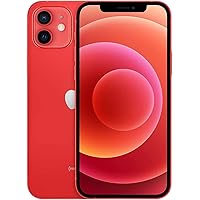
Apple iPhone 12, 64GB, (Product)Red - (Generalüberholt)
3% Off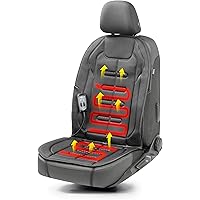
Walser Sitzheizung Auto 1 Stück Premium Auto Sitzauflagen beheizbare Sitzauflage Auto Vordersitze Calor Auto Sitzheizung Sitzlehne/Sitzfläche Sitzheizung Auto Auflage 12v Auto Sitzheizung Auflage
€29.95 (as of 2024-12-15 11:45 GMT +01:00 - More infoProduct prices and availability are accurate as of the date/time indicated and are subject to change. Any price and availability information displayed on [relevant Amazon Site(s), as applicable] at the time of purchase will apply to the purchase of this product.)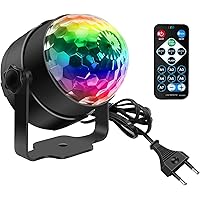
Discokugel, SEBRUANC Disco Lights LED Musikgesteuert DJ Party licht 360° Rotierende Ball Lights 3W RGB Bühnenlichter mit Fernbedienung für Home Geburtstag KTV Weihnachten 1pc
19% Off
GUINNESS WORLD RECORDS 2025: Das beliebte Rekorde-Buch für Kinder und Erwachsene, Kinderbuch ab 8 Jahre und tolle Geschenkidee: Deutschsprachige Ausgabe
€22.00 (as of 2024-12-14 15:13 GMT +01:00 - More infoProduct prices and availability are accurate as of the date/time indicated and are subject to change. Any price and availability information displayed on [relevant Amazon Site(s), as applicable] at the time of purchase will apply to the purchase of this product.)
Nasenpflaster Transparent (30 Stück) - Extra stark Anti Schnarch Nose Strips - Schnarchstopper besser Atmen für mehr Breath im Alltag (Extra Transparent)
€9.90 (€0.33 / stück) (as of 2024-12-15 11:46 GMT +01:00 - More infoProduct prices and availability are accurate as of the date/time indicated and are subject to change. Any price and availability information displayed on [relevant Amazon Site(s), as applicable] at the time of purchase will apply to the purchase of this product.)
VARTA Batterien AA, Industrial Pro, Alkaline Batterie, 1,5V, Vorratspack in umweltschonender Verpackung, Made in Germany [Exklusiv bei Amazon] 40 Stück( 1er Pack)
€16.99 (as of 2024-12-15 13:30 GMT +01:00 - More infoProduct prices and availability are accurate as of the date/time indicated and are subject to change. Any price and availability information displayed on [relevant Amazon Site(s), as applicable] at the time of purchase will apply to the purchase of this product.)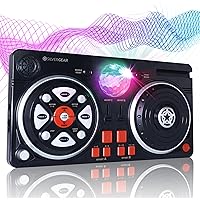
Silvergear® DJ-Set für Kinder | DJ Pult für Anfänger mit Kopfhörer und Discokugel | 46 Soundeffekte | AUX-Kabel für Eigene Musik | Tragbares DJ Equipment | Batteriebetrieben
24% Off
LOL – Die ultimative Nicht-lachen-Challenge: Das Kartenspiel. Mit den besten Witzen, Flachwitzen, Scherzfragen. Partyspiel für Kinder und Erwachsene. Ab 8 Jahren. Der Bestseller
€7.99 (as of 2024-12-15 13:30 GMT +01:00 - More infoProduct prices and availability are accurate as of the date/time indicated and are subject to change. Any price and availability information displayed on [relevant Amazon Site(s), as applicable] at the time of purchase will apply to the purchase of this product.)
2er Devil Eyes Light For Cars Led Augen für Lkw,Led Anzeige Programmierbar Led Laufschrift Leuchtreklame Personalisiert Leuchtschild für Auto,LKW,Text,Graffiti,Smart App,Bluetooth USB 5V (92mm*374mm)
€79.99 (as of 2024-12-15 11:45 GMT +01:00 - More infoProduct prices and availability are accurate as of the date/time indicated and are subject to change. Any price and availability information displayed on [relevant Amazon Site(s), as applicable] at the time of purchase will apply to the purchase of this product.)